









How embracing change can help you grow a specialty clinic.
How embracing change can help you grow a specialty clinic.

Meeting patient expectations is the surest way to increase their satisfaction with your practice. Telephone management is a good place to start.
Advice for implementing a virtual waiting room
Virtual spaces may provide greater flexibilities, but does this mean that patients will feel as comfortable when at your practice?
Can your staff can handle the work?
Virtual waiting rooms offer many new opportunities

Just like there are ratios that gauge your patients’ health, there are ratios to gauge the financial health of your practice.
When physician partners are disputing, their quarrels tend to disrupt the daily operations of their practice. If they are not careful about keeping their disputes between themselves, it can result in the failure of their medical practice.
Whether or not practices should consider upsizing or downsizing after the pandemic
Some of these changes and new considerations.
See which articles gained the most attention in a whirlwind year.
Five tips for improving RCM in a post-pandemic world

Here are some tips to make your office a gossip-free zone.
Making a few simple changes to your cash-handling procedures can potentially save your practice thousands of dollars
To help ensure you know exactly how to handle workplace conflict at your medical practice, we asked an expert to weigh in.

7 ideas to get you started on your new year resolutions, whether you’re a practicing physician or a practice manager.
More ways to improve your reputation as a great practice manager.
The purpose of an organization chart is to depict the skeletal structure of your practice; including the functional relationships between your staff.

The advantage begins at the front door
Branding is just for companies that create consumer goods like soda and cars? Wrong. Practices need to worry about branding too.

Improving your reputation has never been more important.

Effective management is the ability to influence staff so that they willingly and enthusiastically strive toward achievement of practice goals.

Strong leadership is always important, but especially in times of crisis. Leaders set themselves apart when they use their head and heart to respond, communicate and connect. Those who make this a priority are best able to maintain continuity and successfully move through a crisis situation.
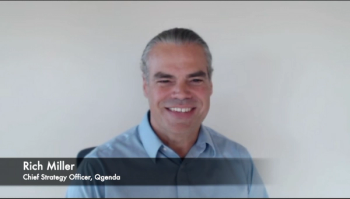
Rich Miller, chief strategy officer of Qgenda, offers some advice and insights for practices as they tackle their capacity management.
Rich Miller, chief strategy officer of Qgenda, discusses how clinical capacity management effects many aspects of your practice and why you should be paying close attention to these processes.
