

Medical practices and the pros and cons of outsourcing revenue cycle management needs.
Medical practices and the pros and cons of outsourcing revenue cycle management needs.
CMS has issued a proposed rule physicians should know about when it comes to Medicare Part A denials, a possible Part B solution, and their revenue cycle.
How to avoid the most common coding mistakes that lead to lost revenue at your medical practice.
Time is limited and money is tight. How can your practice morph into a new practice model and still ensure that it is paid adequately for patient services?
Does your medical practice allocate more time to medical billing and collections than actual patient care? Even with automation, the growing complexity of the process makes it increasingly labor intensive. Perhaps it's time to outsource?
The most effective thing practices can do to ward off theft is to monitor each step of the revenue cycle.
Don’t let your office fall into the trap of poor customer service and losing patients to the “new patient coordinator.”
Downcoding, overstaffing, and lack of follow-up on denials are all possible places your medical practice is losing precious revenue.
Clear policies and processes for handling denials can affect your bottom line by improving your revenue cycle, decreasing staff costs, and increasing cash flow.

Two presenters at this year's MGMA conference share their tips for how medical practices can thrive despite decreasing reimbursement and increasing overhead.
Here's really how the experts figure out what to pay or ask for when it comes to the price of a medical practice.
The government doesn't mind evaluating you through its EHR incentive plan. But as it moves past the two-year mark, it's time for us to evaluate the program's progress in getting physicians like you to adopt and use (meaningfully, of course) technology.
The best way to optimize your sales price, no matter what the market conditions are like, is to optimize your operations.
Are you aware of how much of your aging accounts receivable balances from secondary insurances that were never followed up on? It's time you investigate.
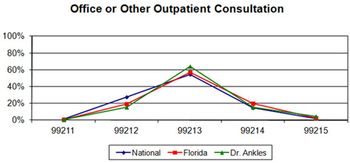
CMS is stepping up efforts to ferret out fraud through its new Center for Program Integrity. Here's what your practice can do to stay below its radar.
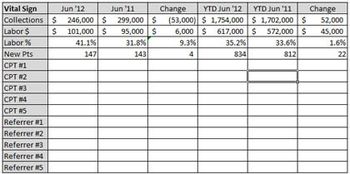
Most physicians have a limited amount of time to monitor the fiscal health of their practices. However, it is possible. Here are five quick measures to make the task easier.
Your front-desk staff is underappreciated but crucial to your success. Arm them with these high-tech helpers to get their jobs done right without burning out.
There is much more to billing than just billing; make sure your practice is getting it right.
Many practices make common collection mistakes that when left unattended can sap revenue. Here's what you can do to improve your collection process.
Properly using technology at your practice is critical, as is determining who will help you use it effectively.
It is vital that practices have systematic ways to address patient collections; the following strategies can help your practice collect all that it is due.
You've purchased the technology needed to keep tabs on your practice's operations. Now make sure you're looking at the right reports.
As charitable as physicians want to be, the law does not allow routine write-offs of co-pays and deductibles without risk.
Defunct payment policies, denied claims, and unchallenged audits all blled revenue from practices. Here's what it means and how to stop it.

John Torres with Texas-based FTGU Medical Consulting discusses revenue strategies and cost containment.